


Welcome to Blue Ridge, a region known for its stunning landscapes, diverse ecosystems, and unique climate patterns.
As you explore the wonders that this area has to offer, it’s crucial to understand the effects climate has on the flora, fauna, and activities for the best immersive experience.
Read on to learn more about this captivating destination and how you can better appreciate its ever-changing beauty by understanding its climate.
The Unique Climate of Blue Ridge, Georgia
Blue Ridge, Georgia, experiences a humid subtropical climate, with mild to cool winters and warm, humid summers.
Temperatures here range from highs of around 90°F in July to lows of around 29°F in January.
It is this varied climate that fosters a diverse range of ecosystems, making Blue Ridge a sought-after destination for nature enthusiasts.
Seasonal Climate Patterns in Blue Ridge, Georgia
Spring: A Reawakening of Nature
In spring, Blue Ridge becomes a hub of revitalized energy with temperatures ranging from 50°F to 70°F. The blossoming wildflowers and the harmonious songs of returning birds make it a vibrant period to explore.
Summer: Warm Days and Lively Atmosphere
Summer brings warmth and vitality to Blue Ridge, with temperatures hovering around 70°F to 90°F. This season is marked by outdoor activities and is enriched by occasional thunderstorms, making it a lively period for both nature and adventure lovers.
Fall: A Canvas of Colors
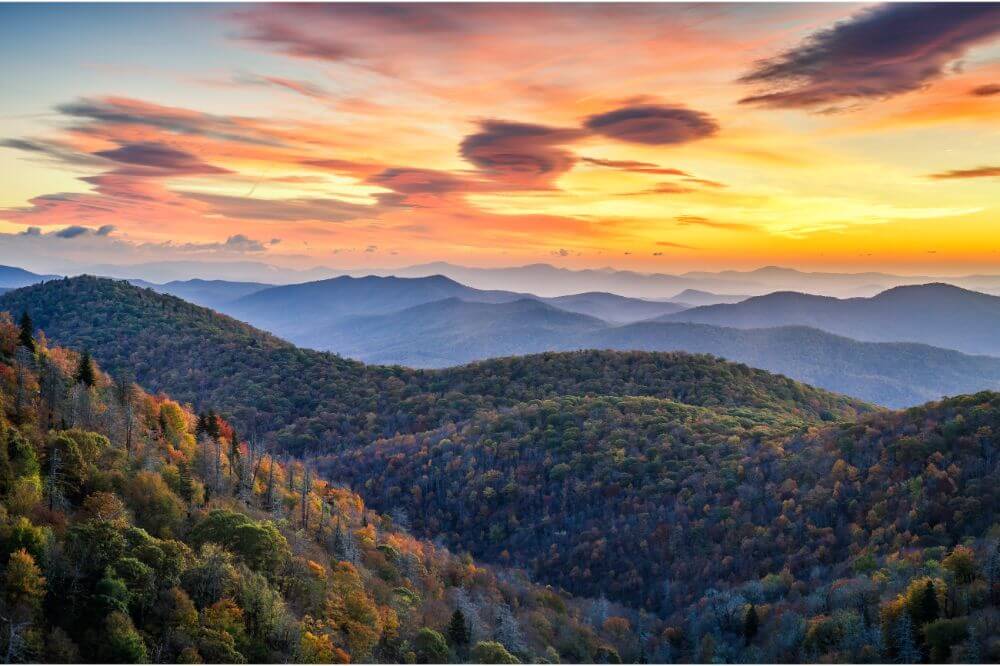
Fall in Blue Ridge is a spectacle of vivid colors with temperatures moderating between 40°F and 70°F. The air is crisp, and the region is bustling with festivals and hiking opportunities, allowing visitors to fully immerse themselves in the scenic beauty.
Winter: The Tranquil Cold
The serene landscapes of Blue Ridge are blanketed in snow during winter, with temperatures often plunging below freezing. This season is perfect for appreciating the tranquil beauty of the region and indulging in winter sports.
Climate Impact on Blue Ridge, Georgia
Climatic Variability and Ecosystems
Blue Ridge, Georgia, witnesses climatic shifts that impact its ecosystems and biodiversity. The changing temperature and precipitation patterns affect the native species and their habitats, emphasizing the need for conservation and sustainable practices.
Historical Climate and Temperatures
- Winter: 20°F to 50°F
- Spring: 40°F to 75°F
- Summer: 60°F to 90°F
- Fall: 35°F to 70°F
Blue Ridge, Georgia, has experienced a consistent yet varied climate throughout its history.
Historically, summer temperatures have peaked at around 90°F, while winters have seen lows nearing 20°F.
These patterns, although relatively stable, have shown subtle changes over the decades, possibly reflecting broader climatic shifts.
Delving into the past temperature ranges offers not just a nostalgic trip down memory lane, but also a chance to understand and appreciate the resilience of the local ecosystems in the face of ever-evolving climate conditions.
Conclusion: Embracing the Natural Symphony
Blue Ridge, Georgia, is a harmonious blend of diverse climates, majestic landscapes, and rich ecosystems.
Each season brings its unique charm and challenges, painting the city in varied hues and moods.
As we continue to witness the impacts of climate change, it becomes imperative to protect and preserve the natural beauty and biodiversity of this region for future generations.