

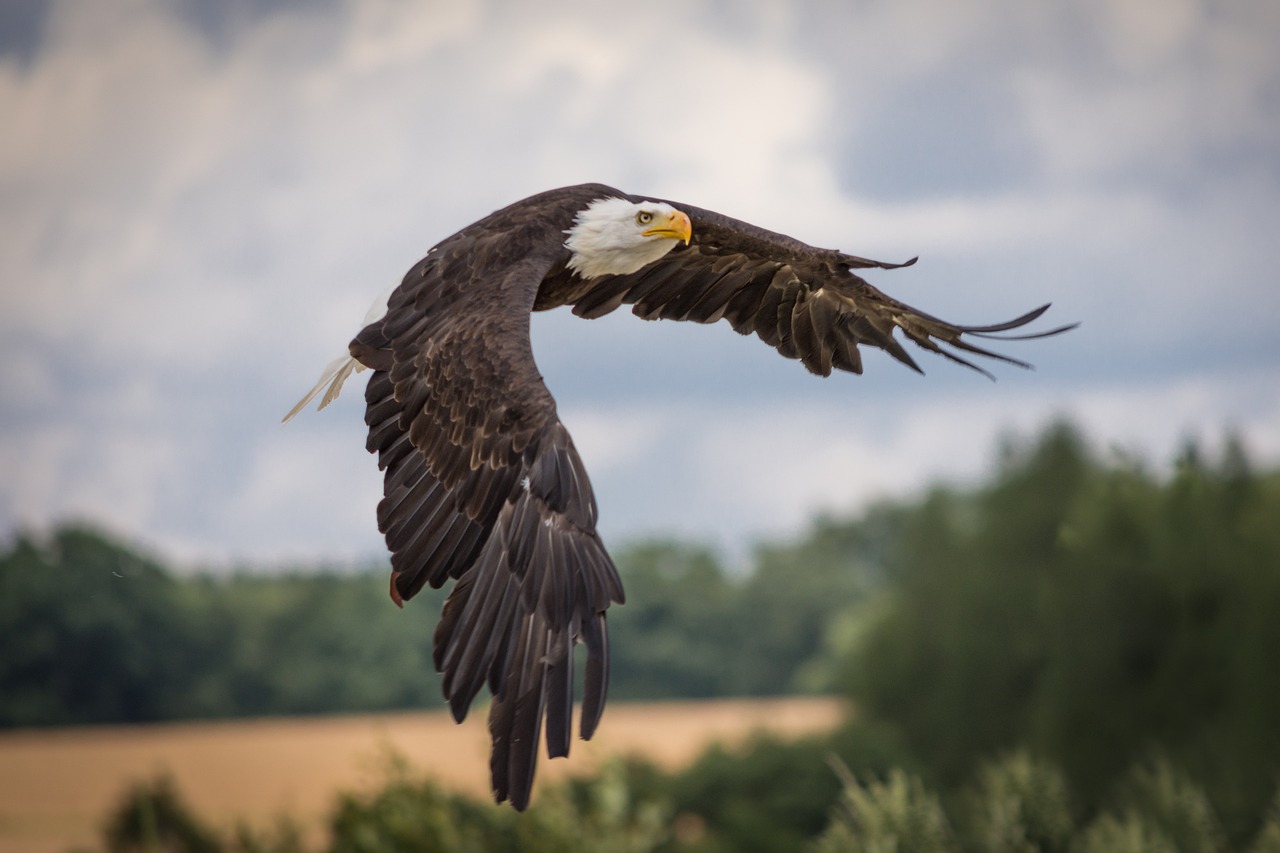
The Blue Ridge Mountains in North Georgia are a haven for a wide range of animal species. From wandering deer herds in lush valleys to majestic birds soaring through the skies, the native wildlife has some of the most captivating species in all of North America. Whether you’re here for hiking, fishing, picnicking, or simply relaxing at your cabin, countless animals are waiting to be discovered.
In this blog post, we will take a look at the animals that thrive in the breathtaking Blue Ridge Mountains.
1. Black Bear
Black bears can be spotted roaming the dense forests and foraging for food. If you’re lucky, you might catch a glimpse of these gentle giants from a safe distance.
While they may seem intimidating, black bears are generally shy and non-aggressive unless provoked. However, it’s important to exercise caution when encountering these animals. Keep a respectful distance and follow proper safety guidelines to ensure both human and bear well-being.
Brown bears are not indigenous to the Blue Ridge area, but some may venture into the region from neighboring areas.
2. River Otter
The North American river otter is one of the semi-aquatic mammals that can be found in this region. They are intelligent and curious and can be spotted in various habitats, including rivers and clean water sources.
River otters indicate high-quality habitat and water, making their presence a positive sign for the ecosystem.
3. Whitetail Deer
The graceful white-tailed deer is primarily active during dawn and dusk, so keep your eyes peeled during morning or evening hikes. You may spot them gracefully bounding through the meadows or quietly grazing by the streams.
When encountering white-tailed deer, try to maintain a safe distance and avoid approaching or attempting to touch them. While they may appear harmless, deer can become unpredictable if they feel threatened or cornered.
4. Red and Gray Foxes
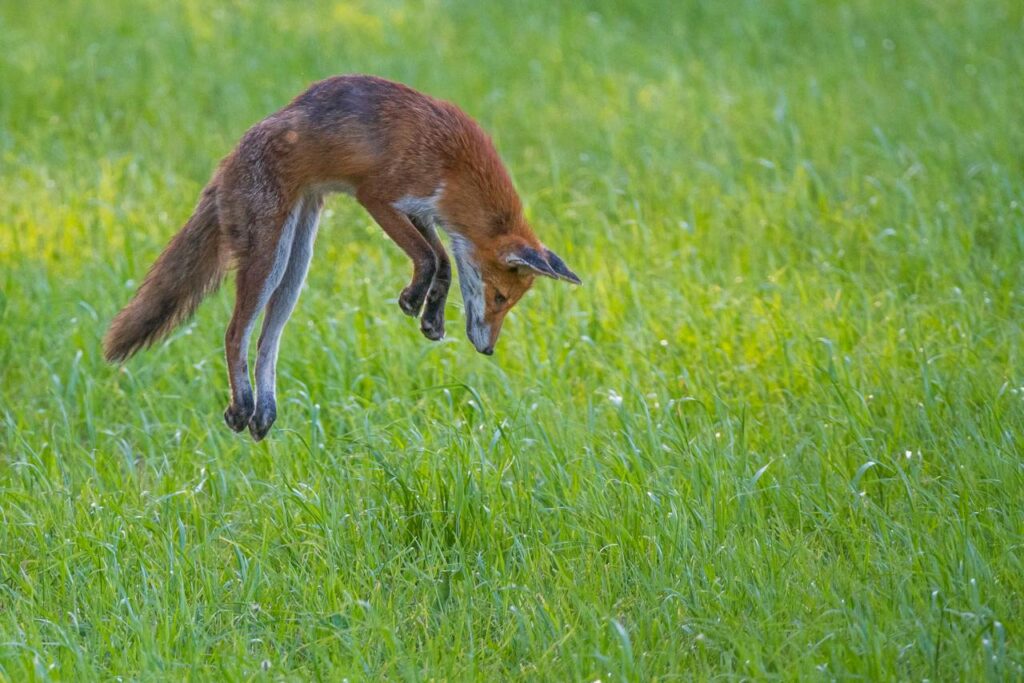
Red foxes are notable for their reddish-brown fur, white underparts, and bushy tails, while gray foxes have grayish-brown fur with a black-tipped tail. Both species are adept predators and have adapted well to various habitats, including forests and grasslands.
Red and gray foxes are primarily nocturnal, although they may also be active during the day. They are opportunistic hunters and their diet consists of small mammals, birds, insects, fruits, and occasionally carrion. Foxes are known for their agility, using their keen senses to locate prey and navigate their surroundings. They are skilled at digging dens for shelter and raising their young.
5. Raccoon
Raccoons are highly adaptable mammals that can thrive in various habitats. They have become a common sight in both urban and rural areas. These nocturnal creatures are primarily omnivorous, feeding on a diverse diet that includes fruits, nuts, insects, amphibians, small mammals, and even human food waste.
Raccoons are known for their dexterity and problem-solving abilities. They have nimble hands that allow them to manipulate objects and open containers. Raccoons are skilled climbers and are often seen exploring trees and raiding bird feeders. They are also strong swimmers and can forage for aquatic prey. Raccoons typically make dens in tree cavities, rock crevices, or burrows.
6. Snakes
The Blue Ridge Mountains are home to a variety of snake species. They play a vital role in the region’s ecosystem by helping to control rodent populations. Snakes in this area include venomous species like copperheads and timber rattlesnakes, as well as non-venomous species such as rat snakes, corn snakes, and garter snakes.
Snakes are ectothermic, meaning they rely on their surroundings to regulate their body temperature. As such, they can be found basking in the sun to warm up or seeking shelter in cooler areas during hot weather.
It is important to exercise caution and respect when encountering snakes. Keep a safe distance, avoid handling them, and familiarize yourself with the different species to ensure your safety and the well-being of these important reptiles.
7. Turtles
Turtles are a diverse group of reptiles that inhabit both terrestrial and aquatic environments. Some common turtle species found here include the eastern box turtle and various freshwater turtles such as the eastern painted turtle and the common snapping turtle.
Turtles are generally slow-moving creatures, taking their time to navigate their surroundings. If you come across a turtle, observe it from a safe distance and allow it to continue its activities undisturbed. Turtles are essential components of the ecosystem, contributing to nutrient cycling and serving as indicators of environmental health.
8. Bobcat
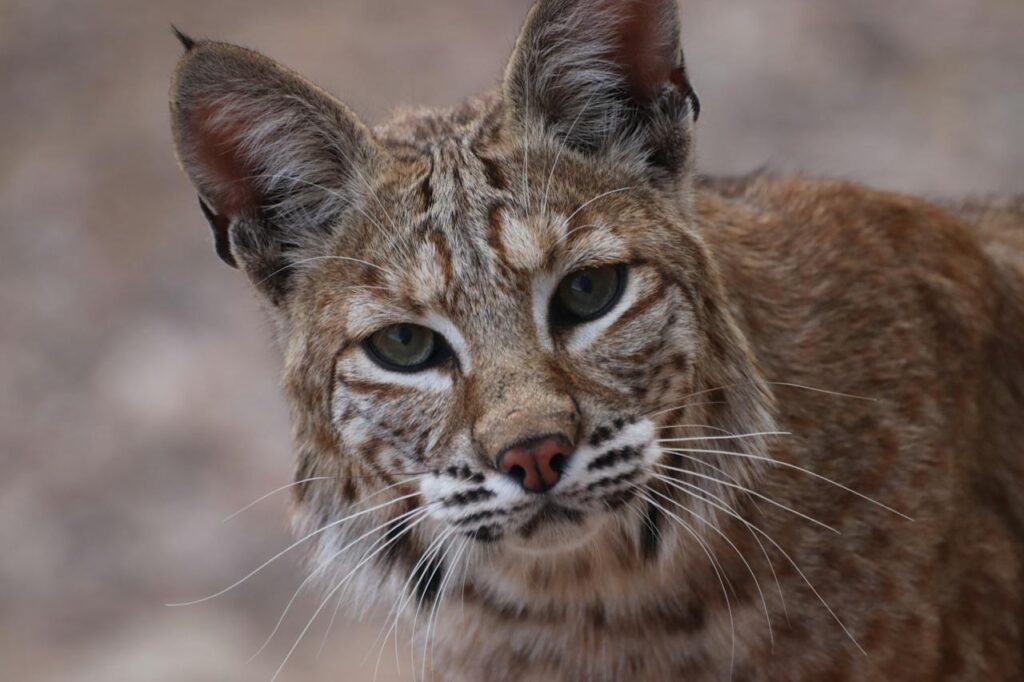
With its distinctive tufted ears, short bobbed tail, and beautiful spotted or striped coat, the bobcat blends seamlessly into its surroundings, making it an elusive creature to spot.
These solitary creatures are well adapted to their life in the wild. They are known for their agility and stealth, which they use to silently stalk their prey. Bobcats primarily feed on small mammals such as rabbits, squirrels, and mice, but have been known to take down larger prey when the opportunity arises.
Despite their solitary nature, bobcats are territorial animals. They mark their territories with scent markings and communicate through various vocalizations and body postures.
9. Beaver
Beavers are present statewide in Georgia. These semiaquatic rodents are known for their impressive dam-building abilities. Their large, flat tails and webbed feet make them excellent swimmers, and they use their sharp front teeth to fell trees and construct dams that create ponds.
In addition to altering their environment for shelter, beavers also play a crucial role in maintaining waterways. By building dams, they slow down the flow of streams and rivers, which helps prevent erosion and filter out pollutants. Beavers are herbivores, primarily feeding on tree bark, leaves, and aquatic plants.
10. Wild Turkey
The wild turkey is one of the heaviest members of the turkey family and holds a prominent presence in the Blue Ridge mountain range. Wild turkeys are known for their large size, plump bodies, long legs, wide rounded tails, and small heads on long, slim necks. Their colorful plumage adds to their striking appearance.
During their mating season, the males, or toms, engage in spirited displays to attract females, including puffing up their feathers, fanning their tails, and emitting distinctive gobbling calls. Outside of breeding season, wild turkeys are known to travel in flocks, foraging for food on the ground by scratching and pecking.
11. Peregrine Falcon
The peregrine falcon is known for its incredible speed, reaching heights of more than half a mile into the sky. This bird of prey can be found in various habitats including cliffs, prairies, and urban areas. It employs a hunting technique called a “hunting stoop” to catch its prey.
Despite their impressive hunting abilities, peregrine falcons are state-listed as rare in Georgia.
12. Songbirds

The Blue Ridge Mountains are a haven for a wide variety of birds, each adding a melodious chorus to the region’s natural soundtrack. From colorful warblers to tuneful thrushes, these bird species grace the forests and meadows with their vibrant plumage and enchanting songs.
Songbirds exhibit a variety of behaviors depending on the species and season. Many migrate thousands of miles to breed and nest in the Blue Ridge Mountains during the spring and summer months. During this time, they engage in courtship displays, building intricate nests, and vocalizing to attract mates. The songs of male songbirds are often used to establish territories and communicate with other individuals.
These birds primarily feed on insects, seeds, fruits, and nectar, depending on their specific dietary preferences. Songbirds play a crucial role in pollination and insect control, helping to maintain the ecological balance of the beautiful Blue Ridge Mountains.
When observing native birds, try to minimize disturbances and avoid approaching nesting sites. Binoculars or a camera with a zoom lens can allow for close-up views without causing stress to these delicate creatures.
13. Waterfowl
The following waterfowl species can be found here:
- Canadian geese
- Mallard ducks
- Wood ducks
- Great blue herons
- Green herons
Water birds have specialized adaptations that allow them to swim, dive, and feed in water. For example, their feet are webbed and their feathers are waterproofed with oil secretions from a special gland near the base of their tail.
During breeding season, male waterfowl often display colorful plumage and engage in elaborate courtship rituals to attract females. The female will then build a nest on land or in the water, where she will lay her eggs and raise her young.
While it can be tempting to feed these birds, try to avoid doing so as it may disrupt their natural diet and behavior.
14. Owls
Most owl species are solitary and territorial, with each individual occupying a specific territory that they defend. They primarily feed on small mammals, birds, and insects, using their remarkable hunting skills and stealthy nature to surprise their prey.
To observe owls, it is best to venture out at dusk or dawn when they are most active. Owls play a vital role in controlling rodent populations and maintaining the delicate balance of the ecosystem.
15. Bald Eagle
Known for its striking appearance and powerful presence, the bald eagle has held a special place as the national emblem of the United States since 1782.
With its heavy body, large head, and long hooked bill, the bald eagle dwarfs most other raptors. Its distinctive white head and tail stand out against its dark brown body, adding to its regal charm.
In terms of behavior, bald eagles are a versatile predator. While it may not always seem majestic in its habits, as it often feeds on carrion, including dead fish, it possesses sharp, pointed beaks designed for ripping and tearing prey into bite-sized pieces. Its keen eyesight allows it to spot fish from up to a mile away, making it a skilled hunter when it comes to aquatic meals.
Where to Find North Georgia Wildlife
If you’re eager to observe the animal life of Georgia mountains up close, there is a wide range of habitats that offer fantastic opportunities:
Chattahoochee National Forest
This expansive forest is a haven for wildlife, offering numerous trails and scenic spots to encounter various species. Keep your camera ready as you venture through this forest. The best time to visit is typically during the early morning or late afternoon when wild animals are most active.
Blue Ridge Wildlife Management Area
As the name suggests, this area is dedicated to preserving wildlife. Explore the well-maintained trails and keep your eyes open for deer, bears, and other fascinating creatures that call this area home. It’s recommended to visit during weekdays or early mornings for a quieter and more secluded experience.
Lake Blue Ridge
Take a boat tour or simply stroll along the shores of Lake Blue Ridge, where you may spot waterfowl, beavers, and even the occasional otter enjoying the tranquil waters. The lake offers peaceful surroundings and stunning views.
Check with local tour operators for boat tour schedules, or simply bring your binoculars and explore the lake at your own pace. Please note that opening times and access to specific areas for park visitors may vary, so it’s advisable to check with local visitor centers or park websites for the most up-to-date information before planning your visit.
Etiquette When Observing Wild Animals
When you practice respectful and responsible behavior while observing the native wildlife of Georgia, you can ensure the safety and well-being of both yourself and the animals you encounter. Here are some guidelines to keep in mind:
Maintain a Respectful Distance
Always maintain a safe and respectful distance from wild animals. Remember that many species are not accustomed to human presence and may feel threatened or stressed if approached too closely. Use binoculars or zoom lenses to observe them from a distance without causing any disturbance.
Observe From a Hidden Location
Whenever possible, try to observe wild animals from a hidden location where they are less likely to notice your presence. This will enable you to witness their natural behaviors without interfering with their daily routines.
Do Not Feed or Touch the Animals
Feeding wild animals can disrupt their natural foraging patterns and create dependency on human food sources. Additionally, many wild animals can carry diseases or become aggressive if they feel threatened. Refrain from attempting to touch or interact with them, as this can be harmful to both you and the animal.
Minimize Noise and Disturbances
Loud noises and sudden movements can startle and stress wild animals. Keep noise levels to a minimum and avoid using flash photography or other disruptive equipment. By maintaining a calm and quiet environment, you can ensure that the animals remain undisturbed in their natural habitat.
Stay on Designated Trails
Stick to designated trails and paths when exploring wildlife areas. This helps protect fragile ecosystems and minimizes the risk of accidentally disturbing habitats or nesting sites. Avoid venturing off-trail, as this can lead to trampling vegetation or disrupting hidden animal shelters.
Leave No Trace
Always practice the “Leave No Trace” principle by properly disposing of any trash or waste and avoiding littering in natural areas. Take care to pack out everything you bring with you, including food wrappers, bottles, and other potential pollutants.
By following this guideline, you can enjoy the fascinating wildlife of Blue Ridge, GA, while also contributing to their conservation and well-being.
Conclusion
As part of the Southern Appalachians, Blue Ridge offers unique and diverse opportunities to experience nature. The natural features, stunning landscapes and abundant wildlife make it a popular destination for outdoor enthusiasts. So pack your binoculars, lace up your hiking boots, and embark on an unforgettable adventure to witness the wonders of Blue Ridge’s diverse wildlife.