


Embarking on outdoor adventures can be a thrilling experience, but finding solace amidst nature can sometimes be challenging. That’s where canopy tents come to the rescue! These versatile shelters provide shade, rain protection, and comfortable outdoor space during escapades.
In this article, we’ve compiled reviews of some of the best tents available, so you can make an informed decision for your outdoor excursion.
- Best Canopy Tents: Reviews
- Buyer’s Guide
- FAQ
- What are the main factors when choosing the best canopy tent?
- What are the advantages of having a canopy tent?
- What is the difference between straight-leg and slant-leg canopy tents?
- How easy is it to set up a canopy tent?
- Can I use a canopy tent on the beach?
- Are canopy tents waterproof?
- What are the benefits of having sidewalls on my canopy tent?
- How do I store and transport my canopy tent?
- Conclusion
Best Canopy Tents: Reviews
Nemo Hornet Elite OSMO 2P

The Nemo Hornet Elite OSMO 2P revolutionizes ultralight backpacking, eliminating the need for a simple tarp setup. Weighing just over 2 pounds, this tent melds the craftsmanship of a classic backpacking tent with ultralight appeal.
Its intuitive pole structure ensures stability and ease of setup, while dual doors and vestibules enhance convenience and storage for two.
Nemo’s upscale features include numerous interior pockets, a headlamp diffuser, and a Flybar pole clip that boosts headroom with minimal weight addition.
Despite its hefty price tag, its merits in blending traditional tent design features—such as superior ventilation, user-friendliness, and spaciousness—with ultralight convenience make it a worthy investment for those seeking the best of both worlds.
MSR Hubba Hubba

The MSR Hubba Hubba stands out as a widely favored freestanding tent, and its acclaim is well-deserved.
Our comprehensive evaluations of various tents have shown that while some may outperform the Hubba Hubba in specific areas, this tent excels in offering a harmonious balance of features.
Not only is it remarkably easy to set up, but it also compresses into a compact size, allowing for weight savings elsewhere in your gear. For those committed to lightweight backpacking, the MSR Hubba Hubba is undoubtedly worthy of consideration.
However, quality comes at a price. The Hubba Hubba is a high-end product, and its cost reflects its premium status.
The MSR Hubba Hubba makes ample use of mesh – and we can image pitching just the inner tent on a balmy summer evening or if hiking out in the desert. However, most users will likely attach the rain fly at all times. This is, of course, made from a lightweight waterproof material and also offers ventilation ports to help when it’s both warm and raining.
Naturehike Cloud-Up 2

The Nature Hike Cloud UP features a tapered design with a singular entrance located at the head of the sleeping area. This design choice, while contributing to the tent’s impressively low weight, does bring about certain compromises.
The narrowing floor plan and descending ceiling towards the tent’s end can restrict the interior space, making it uncomfortable for occupants to sit facing each other without one person sacrificing head and shoulder room.
Moreover, the solitary entrance, which we find to be awkwardly placed, leads to a single storage vestibule. This can become cumbersome if housing two large backpacks and pairs of hiking boots, necessitating a climb over them to enter or exit the tent.
These are not dealbreakers, per se, as they are trade-offs for the tent’s lightness, but they do detract from the tent’s overall thoughtfulness compared to pricier alternatives.
Available in two fabric options, 20D Nylon and the heavier, less weather-resistant 210T Polyester, the Naturehike Cloud UP’s choice of material may not vastly impact weatherproofing.
The primary considerations for buyers should be weight and cost. The 20D Nylon, widely used in the industry including in much more expensive tents, is a tested material providing reliable weather resistance.
Notably, Naturehike includes a matched footprint with the Cloud UP, an often costly add-on for other models, which is a welcome addition. This footprint offers extra insulation and safeguards the tent floor from damage, subsequently preventing leaks.
Coleman Skydome 4
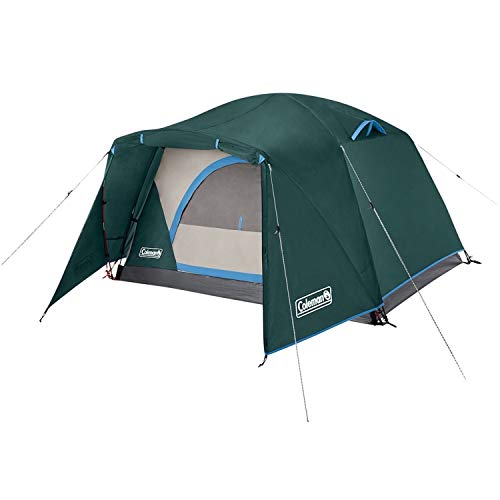
The Skydome 4 easily earns its spot on this list, merging a spacious interior and notable peak height with a comprehensive rainfly designed for substantial rainfall.
This model represents a significant step up from the typical offerings of Coleman, which often feature single-wall constructions or partial flys, yet it retains an affordable Coleman price tag.
Coleman enhances livability in their latest Skydome iteration with features like a queen-sized air mattress-accommodating floor plan and a quick-to-assemble clip-in canopy structure.
The standout feature, however, is the integrated awning over the vestibule’s entrance. It projects sufficiently forward, allowing the front door to remain open during light rain for improved ventilation without permitting water ingress.
Like many Coleman shelters, the primary limitation of the Skydome 4 is the quality of materials used. The bathtub-style floor is notably robust, but the canopy material doesn’t inspire confidence for prolonged exposure to sun and rain.
Similarly, while the fiberglass poles and plastic components are sufficiently sturdy for leisurely camping, they wouldn’t be the top pick in challenging wind conditions.
Buyer’s Guide
Now that you have an idea of the best canopy tents available on the market, you may still be wondering which would suit your specific needs the best. This section will discuss key factors when choosing a canopy tent for outdoor adventures.
Remember these points as you go through the options to make an informed decision.
Purpose
The most crucial factor to consider when looking at canopy tents is the primary purpose of the tent. Are you looking for something to provide shade at the beach, or do you need a canopy for your backyard get-togethers?
If you are looking for a beach-specific tent, look for models with UV protection and good air circulation. On the other hand, if you need a canopy for a garden party or a temporary outdoor workspace, you may want to prioritize privacy and weather resistance.
Size
Canopy tents come in various sizes, so choose one that will accommodate your desired number of occupants and fit the space at your event site. Remember that larger tents may require multiple people to set up and take down. For smaller groups or solo adventurers, you may want to consider a more compact canopy that is easier to transport and set up.
Material
The quality of the materials used to construct a canopy tent will directly impact its durability and overall performance. Look for tents made from durable and weather-resistant materials like polyester, polyethylene, or vinyl, and ensure the tent’s frame is made of sturdy materials like steel or aluminum.
Ease of Setup
Nobody wants to spend hours setting up a canopy tent, especially if you enjoy nature or attend a social event. Choose a tent that is easy to set up and take down, with quick-release systems or pop-up designs to help you get your shelter up in minutes.
Additional Features
When choosing the best canopy tent for your needs, consider any additional features that may make your outdoor experience more comfortable or enjoyable. For instance, some tents have sidewalls for added privacy or weather protection, while others have mesh panels for increased ventilation on hot days. Consider what extras will most benefit your specific needs and ensure the tent you choose offers these features.
Portability
If you plan on taking your canopy tent on various adventures or setting it up at different locations, you’ll want a tent that is easy to transport and store. Look for models with carrying bags or backpacks for easy transportation and lightweight design materials that won’t weigh you down.
Price
Consider your budget when choosing the best canopy tent for your outdoor adventures. While it may be tempting to go for the cheapest option, remember that a higher-priced tent may offer features that make it worth the investment, such as durability, ease of setup, and additional accessories.
Consider the value you will get from the tent in the long run, and select a model that fits comfortably within your budget.
FAQ
What are the main factors when choosing the best canopy tent?
Several factors must be considered when choosing the best canopy tent for your outdoor adventure. These include the size, weight, material, and ease of setup. You should consider additional features like sidewalls, mesh windows, and UV protection.
What are the advantages of having a canopy tent?
A canopy tent provides a versatile shelter that protects you from different weather conditions, such as direct sunlight, rain, and wind. It can be a temporary outdoor living space or storage area, perfect for camping trips, picnics, outdoor events, or beach outings.
What is the difference between straight-leg and slant-leg canopy tents?
Straight-leg canopy tents feature vertical legs that offer more stability and better coverage. Slant-leg canopy tents, on the other hand, have legs that slant inward, which means they require less material and often weigh less. However, this design provides slightly less protection and stability than straight-leg canopies.
How easy is it to set up a canopy tent?
The ease of setup can vary among canopy tents, with some requiring multiple people for assembly and others allowing for a one-person setup. The best canopy tents are designed for simple and quick installation, with features like push-button setups, strong frames, and color-coded components.
Choose a canopy tent that fits your preferences and skill level when setting up outdoor shelters.
Can I use a canopy tent on the beach?
Yes, canopy tents can serve as excellent shelters for beach trips. Look for features like weighted sandbags or specially designed stakes to secure the canopy on sandy surfaces and built-in UV protection to shield you from the sun’s harmful rays.
Are canopy tents waterproof?
Though many canopy tents offer water-resistant materials, not all are entirely waterproof. It is essential to check the product’s description and reviews to ensure you are purchasing a canopy tent that will provide adequate protection in the event of rain.
Investing in a waterproof model would be wise if you use your canopy tent in various weather conditions.
What are the benefits of having sidewalls on my canopy tent?
Sidewalls provide extra protection from wind, rain, and sun, offering more privacy and enclosed space. Many canopy tents come with optional sidewalls or allow for their addition, whether solid fabric or mesh-windowed versions.
Sidewalls are valuable if you anticipate spending time in your canopy tent during various weather conditions or require more privacy.
How do I store and transport my canopy tent?
Proper storage and transportation of your canopy tent are crucial for maintaining its durability and lifespan. Most canopy tents have a carrying case or backpack, making transportation a breeze. Store your tent in a dry and cool place, and avoid direct sunlight to prevent fading and damage to the material.
Conclusion
Finding the best canopy tent for outdoor adventures is essential for enjoying your time away from home. Consider factors such as size, durability, and ease of use when making your decision.
With the options reviewed in this article, you’ll be well on your way to choosing a high-quality canopy tent that meets your needs. Enjoy your outdoor experiences and stay comfortable with a high-quality canopy tent.