
At some point in our lives, many of us arrive at existential questions that seem to have no answer. Is there life after death? What came first, the chicken or the egg? And perhaps the most intriguing question of all: why are the Blue Ridge Mountains blue?
These mysteries have created an endless stream of debates, theories, and legends surrounding them. However, unlike the two previous questions, the explanation behind the Blue Ridge Mountains’ hue can be traced back to science and geology.
The Geography of the Blue Ridge Mountains
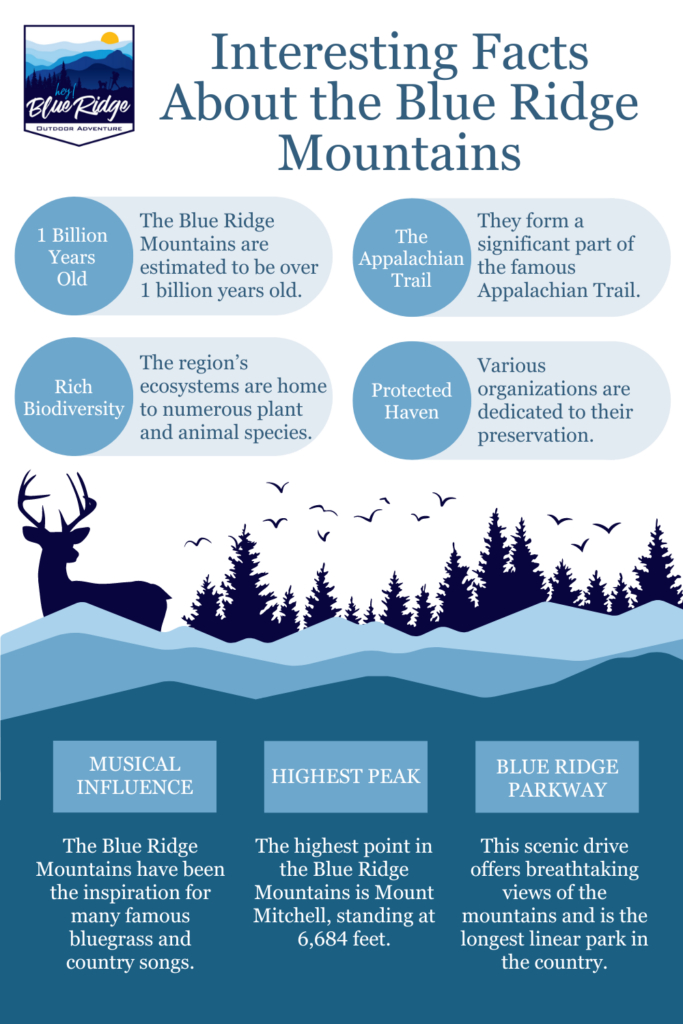
Before diving into their blueness, let’s first understand the geography of the Blue Ridge Mountains. Stretching across the eastern United States, the Blue Ridge Mountains form a significant part of the Appalachian Range. This range boasts some of the oldest mountains in the world, with peaks rising over 6,000 feet above sea level. From the highest point at Mount Mitchell in North Carolina to Brasstown Bald in North Georgia, the Blue Ridge Range offers a haven for diverse plant and animal life.
The Influence of Light
The name “Blue Ridge” comes from the blueish color that can often be seen on the mountains when viewed from a distance. So how did they get this unique blue color? The answer: it’s a result of a scientific process called Rayleigh scattering. When sunlight hits the Earth’s atmosphere, it scatters in different wavelengths. Because blue light waves are shorter, they scatter more easily, and this is what gives the Blue Ridge Mountains their blue appearance. The mountains appear blue to the human eye from a distance because the blue light waves are scattered more efficiently compared to the other colors in the spectrum.

The Role of Atmospheric Conditions
But Rayleigh scattering alone doesn’t account for the Blue Ridge Mountains’ distinctive color. During the warmer months, the region experiences high humidity and air pollution, especially near urban areas. This combination leads to the formation of fine mists of volatile organic compounds and other organic substances that mix with the air. When sunlight interacts with these particles, it enhances the bluish haze, giving the mountains their signature powder blue tint.
A Historical Perspective
Long before scientists explained the phenomenon, Native Americans marveled at the blue hue of the mountains. Cherokee tribes referred to the region as the “place of blue smoke,” attributing the color to the spirits of their ancestors. European settlers later adopted the name “Blue Ridge” from these indigenous descriptions.
Influence of Native Trees and Plant Life
The Blue Ridge Mountains boast an amazing amount of vegetation, including a diverse assortment of plant species. Native trees such as oak, hickory, and pine contribute to the bluish haze by releasing natural ozone molecules and other organic compounds. These compounds, when they form vapors and mix with the atmosphere, intensify the blue coloration, especially on clear summer days.
Human Impact on the Blue Hue
Unfortunately, human activities have also played a role in altering the Blue Ridge Mountains’ natural beauty. Air pollution from industries and urban areas can exacerbate the bluish haze, intensifying the color and impacting visibility. Efforts to mitigate air pollution are crucial in preserving the pristine beauty of this natural wonder.
The Cultural Significance
Beyond its scientific marvel, the Blue Ridge Mountains hold immense cultural significance. From inspiring poets and artists to providing a backdrop for bluegrass music, these mountains have woven themselves into the fabric of American culture. State parks, national forests, and scenic drives like the Blue Ridge Parkway and Skyline Drive attract large numbers of visitors each year, eager to experience the magic of the mountains.
Preservation Efforts
Recognizing the importance of preserving this natural treasure, conservationists have worked tirelessly to protect the Blue Ridge Mountains and its surrounding ecosystems. National parks such as Shenandoah and Great Smoky Mountains, along with state parks and wildlife reserves, ensure that future generations can continue to enjoy the beauty and serenity of these mountains.
Conclusion
From its bluish color to its rich cultural heritage, the Blue Ridge Mountain Range captivates the imagination and draws visitors from far and wide. As we marvel at the soft blue hue that graces these mountains, let us also remember the role we all play in preserving this natural wonder. From reducing air pollution to supporting conservation efforts, we can all contribute to ensuring that the Blue Ridge Mountains remain naturally blue for generations to come.
You may also like:
- Exploring the National Parks in North Georgia: The Ultimate Guide
- The Ultimate Blue Ridge 3 Day Itinerary
- All Aboard the Blue Ridge Scenic Railway